
Esi Edugyan: Washington Black
Úgy tűnik, újabban, számomra minden könyv letehetetlen. | It seems that lately, for me, all books are irputable. | Il semble que ces derniers temps, pour moi, tous les livres soient incontestables.

04 June 2024 Book Experience.
I could say it’s the story of a Negro boy growing up, but that would be as simplistic as saying Hemingway’s Old Fisherman and the Sea is a man fighting a fish. The boy is born on a sugar cane plantation into a slave line. The story begins when, at the age of ten, the slave owner is chosen by his brother to be his personal slave. Then we go from Barbarossa to America, Europe and Africa. By the time we get to the end of the book the twenty-year-old boy is free and in love. (Yes, I’m speaking in the plural first person because I really lived the story.) Even as a slave, he is already learning about the world of science, biology, geography. It quickly becomes apparent that he has a flair for drawing. It is to drawing and his love of biology that he owes his love.
The protagonist is obviously the Negro boy, Wash. The second important character is Mr. Tiny, the Squire’s younger brother, who chooses a career in science instead of running the estate; he teaches him to read and write, and with him begins Wash’s adventures. Mr. Goff is also important (I hope I’m spelling his name right. I haven’t read this book either, just listened to it while scooting around). The old gentleman is the author of countless world-famous zoology books. The old man has a daughter, Tanna…
Well, the setting is kind of to my liking, because it’s ever-changing. We set off from the sugar cane plantation in a rudimentary airship. Then we’ll take a boat to America. We get a glimpse of an expedition to the North Pole. England will be the boy’s home. We visit harbour docks, lonely beaches, bustling London, Amsterdam, Morocco.
I think the complication is that he can’t find his place in the world. (Of course, I may be making too much of myself.) He’s an escaped slave, so he has no one but the one who escaped him, but he’s leaving her too. He’ll be looking for her for the rest of the book. How interesting that it is the very process of this search that tells me how little the world and the people in it change; for example, the master treats his third servant in exactly the same way as the first, second.
In my eyes, the solution is brought by the woman to whom it is good to arrive. And she does this by supporting the search.
At first sight it does not seem to be a complicated read, but it does leave you with thoughts and questions. It is not an ordinary story. To put on one page slavery, the joy of scientific discovery, suicide, love. An exciting result! And the question remains for a long time, What makes one free? What is freedom? Is freedom really the most important question in life? For me, for example, social exclusion seemed to be a bigger problem.
Tanna was my favourite, with her eloquence, her eloquence, her wit. An unsympathetic character? Obviously the slave hunter, but that’s how his character was designed to be. There wasn’t one I couldn’t understand.
My favourite scene, and with it my favourite scene, is obviously the beach scene. (I am writing these lines in the sand of a beach sunset.) In that scene, passion, love and the tranquillity of the beach come together.
Why would I read it again? Because it makes you wonder very much where the boundaries of slavery and freedom lie. Because it makes you think about the value of a life… Especially if you’re one of the outcasts.
04 juin 2024 Expérience du livre.
Il semble que ces derniers temps, pour moi, tous les livres soient incontestables.
Je pourrais dire que c’est l’histoire d’un garçon noir qui grandit, mais ce serait aussi simpliste que de dire que Le vieux pêcheur et la mer d’Hemingway est un homme qui se bat contre un poisson. Le garçon est né dans une plantation de canne à sucre, au sein d’une famille d’esclaves. L’histoire commence lorsque, à l’âge de dix ans, le propriétaire de l’esclave est choisi par son frère pour devenir son esclave personnel. Nous passons ensuite de Barberousse à l’Amérique, à l’Europe et à l’Afrique. À la fin du livre, le jeune homme de vingt ans est libre et amoureux (oui, je parle à la première personne du pluriel parce que j’ai vraiment vécu l’histoire). Même en tant qu’esclave, il découvre déjà le monde de la science, de la biologie et de la géographie. On s’aperçoit rapidement qu’il a un don pour le dessin. C’est au dessin et à son amour de la biologie qu’il doit son amour.
Le protagoniste est évidemment le garçon noir Wash. Le deuxième personnage important est Mr. Tiny, le jeune frère du Squire, qui choisit une carrière scientifique au lieu de s’occuper du domaine ; il lui apprend à lire et à écrire, et c’est avec lui que commencent les aventures de Wash. M. Goff est également important (j’espère que j’ai bien orthographié son nom. Ce vieux monsieur est l’auteur d’un nombre incalculable de livres de zoologie mondialement connus. Le vieux monsieur a une fille, Tanna…
Eh bien, le cadre est plutôt à mon goût, car il est en perpétuel changement. Nous partons de la plantation de canne à sucre à bord d’un dirigeable rudimentaire. Puis nous prenons un bateau pour l’Amérique. Nous avons un aperçu d’une expédition au pôle Nord. L’Angleterre sera la maison du garçon. Nous visitons les quais des ports, les plages isolées, Londres, Amsterdam et le Maroc.
Je pense que ce qui complique les choses, c’est qu’il n’arrive pas à trouver sa place dans le monde (bien sûr, je me fais peut-être trop d’illusions). C’est un esclave en fuite, il n’a donc personne d’autre que celle qui lui a échappé, mais il la quitte elle aussi. Il la cherchera jusqu’à la fin du livre. Il est intéressant de constater que c’est le processus même de cette recherche qui me dit à quel point le monde et les gens qui le composent changent peu ; par exemple, le maître traite son troisième serviteur exactement de la même manière que le premier, le deuxième.
À mes yeux, la solution est apportée par la femme à qui il est bon d’arriver. Et elle le fait en soutenant la recherche.
À première vue, ce n’est pas une lecture compliquée, mais elle vous laisse avec des pensées et des questions. Ce n’est pas une histoire ordinaire. Mettre sur une même page l’esclavage, la joie de la découverte scientifique, le suicide, l’amour. Un résultat passionnant ! Et la question reste longtemps posée : qu’est-ce qui rend libre ? Qu’est-ce que la liberté ? La liberté est-elle vraiment la question la plus importante dans la vie ? Pour moi, par exemple, l’exclusion sociale semblait être un problème plus important.
Tanna était ma préférée, avec son éloquence, son éloquence, son esprit. Un personnage antipathique ? Évidemment, le chasseur d’esclaves, mais c’est ainsi que son personnage a été conçu. Il n’y en a pas un que je ne comprenne pas.
Ma scène préférée, et avec elle ma scène préférée, est évidemment la scène de la plage (j’écris ces lignes dans le sable d’un coucher de soleil sur la plage). Dans cette scène, la passion, l’amour et la tranquillité de la plage se rejoignent.
Pourquoi la relirais-je ? Parce qu’il nous amène à nous demander où se situent les limites de l’esclavage et de la liberté. Parce qu’il nous fait réfléchir à la valeur d’une vie… Surtout si l’on fait partie des exclus.
2024. június 04. Könyvélmény.
Mondhatnám azt is, hogy egy néger kisfiú felnövés története, de ez olyan leegyszerűsítés lenne, mint Hemingway Öreg halász és a tengeréről azt mondani, hogy egy férfi küzd egy hallal. A fiú egy cukornád ültetvényre születik rabszolga sorba. A történet ott kezdődik, amikor tíz évesen, a rabszolgatartónak az öccse kiválasztja személyes szolgájává. Majd Barbarossáról indulva eljutunk Amerikába, Európába, Afrikába. Mire a könyv végére érünk a húszéves fiú szabad és szerelmes. (Igen, többes szám első személyben beszélek, mert nagyon átéltem a történetet.) Már szolga korában megismerkedik a tudományok világával, a biológiával, a földrajzzal. Gyorsan kiderül, hogy kivánló érzéke van a rajzoláshoz. A rajznak és a biológia iránti fogékonyságának köszönheti a szerelmet is.
A főhős nyilván a néger fiú, Wash. A második fontos szereplő Mr. Picur, az uraság öccse, aki a birtok igazgatása helyett a tudományos pályát választja; ő tanítja meg írni, olvasni, ő vele indulnak Wash kalandjai. Fontos még Mr. Goff. (Remélem jól irom a nevét. Ezt a könyvet sem olvastam csak hallgattam rollerezés közben). Az öregúr számtalan világhírű állattani könyv szerzője. Az öreg úrnak van egy lánya, Tanna…
Hát a helyszín az amolyan nekem tetsző, mert folyton Változó. Indulunk a cukornád ültetvényről egy kezdetleges léghajóval. Majd hajóval kikötünk Amerikában. Beppillantást nyerünk egy északi sarki expedícióba. Anglia lesz a fiú otthona. Járunk kikötői dokkokban, magányos tengerparton, nyüzsgő Londonban, Amszterdamban, Marokkóban.
Szerintem az adja a bonyodalmat, hogy nem találja a helyét a világban. (Persze, az is lehet, hogy túlságosan magamból indulok ki.) Egy megszöktetetet rabszolga, szóval nincs senkije, csak aki megszöktette, de ő is elhagyja. A könyv további részében őt fogja keresni. Milyen érdekes, hogy épp eme keresés folyamata mondatja velem, hogy mennyire nem változik a világ és benne, legfőképp az emberek; példaul az uraság a harmadik szolgálójával pont ugyanúgy bánik mint az elsővel, másodikkal.
Az én szememben a megoldást a nő hozza el, akihez jó megérkezni. Ezt pedig épp azzal eszközli ki, hogy támogatja a keresést.
Elsőre nem tűnik bonyolult olvasmánynak viszont gondolatokat, kérdéseket hagy maga után. Nem egy szokványos történet. Egy lapra tenni a rabszolgaságot, a tudományos felfedezés örömét, az öngyilkosságot, a szerelmet. Izgalmas végeredmény! És a kérdés még sokáigmeg marad, Mitől lesz valaki szabad? Mi Jelenti a szabadságot? Valóban a szabadság a legfontosabb kérdés az életben? Nekem például úgy tűnt, a társadalmi kirekesztés nagyobb probléma.
Tanna volt a kedvencem, a maga kölöncségeivel, szókimondásával, éles eszével. Unszimpatikus figura? Nyilván a rabszolga vadász, de hát az ő karakterét eleve ilyennek tervezték. Nem volt olyan, akit ne tudtam volna megérteni.
A kedven helyszín és vele a kedvenc jelenet az nálam nyilván a tengerparti jelenet. (Ezen sorokat is egy tengerparti napnyugta homokjában írom.) Abban a jelenetben összefut a szenvedély, a szerelem és a tengerpart nyugalma.
Miért olvasnám el újra? Mert nagyon is elgondolkoztat, hogy hol van a szolgaság és a szabadság határa. Mert elgondolkoztat, hogy mennyit ér egy élet… Kiváltképp, ha a kirekesztettek csoportjába tartozol.
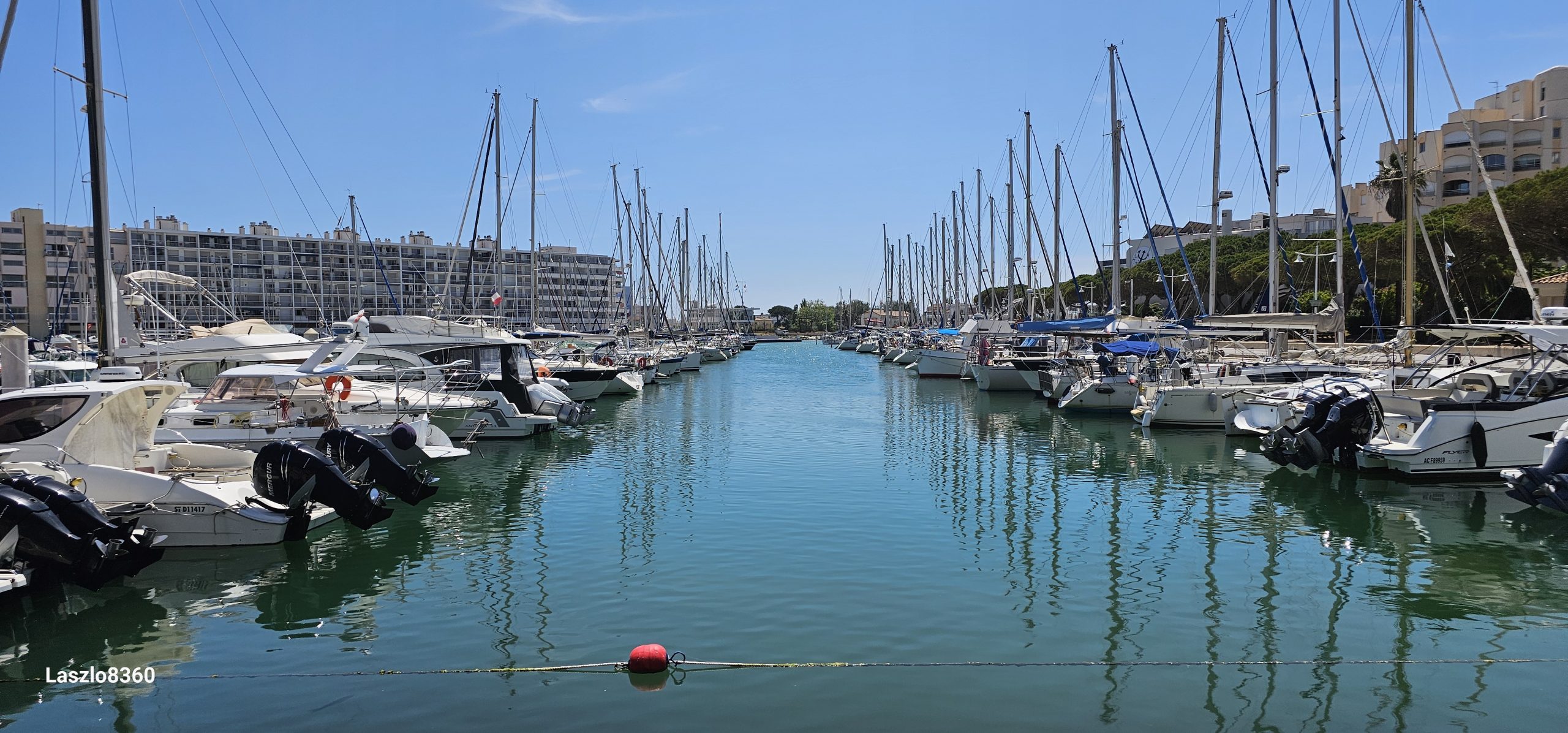
Szép ez a nap.


